
Grieving Someone Whose Addiction Hurt People and Still Loving Them
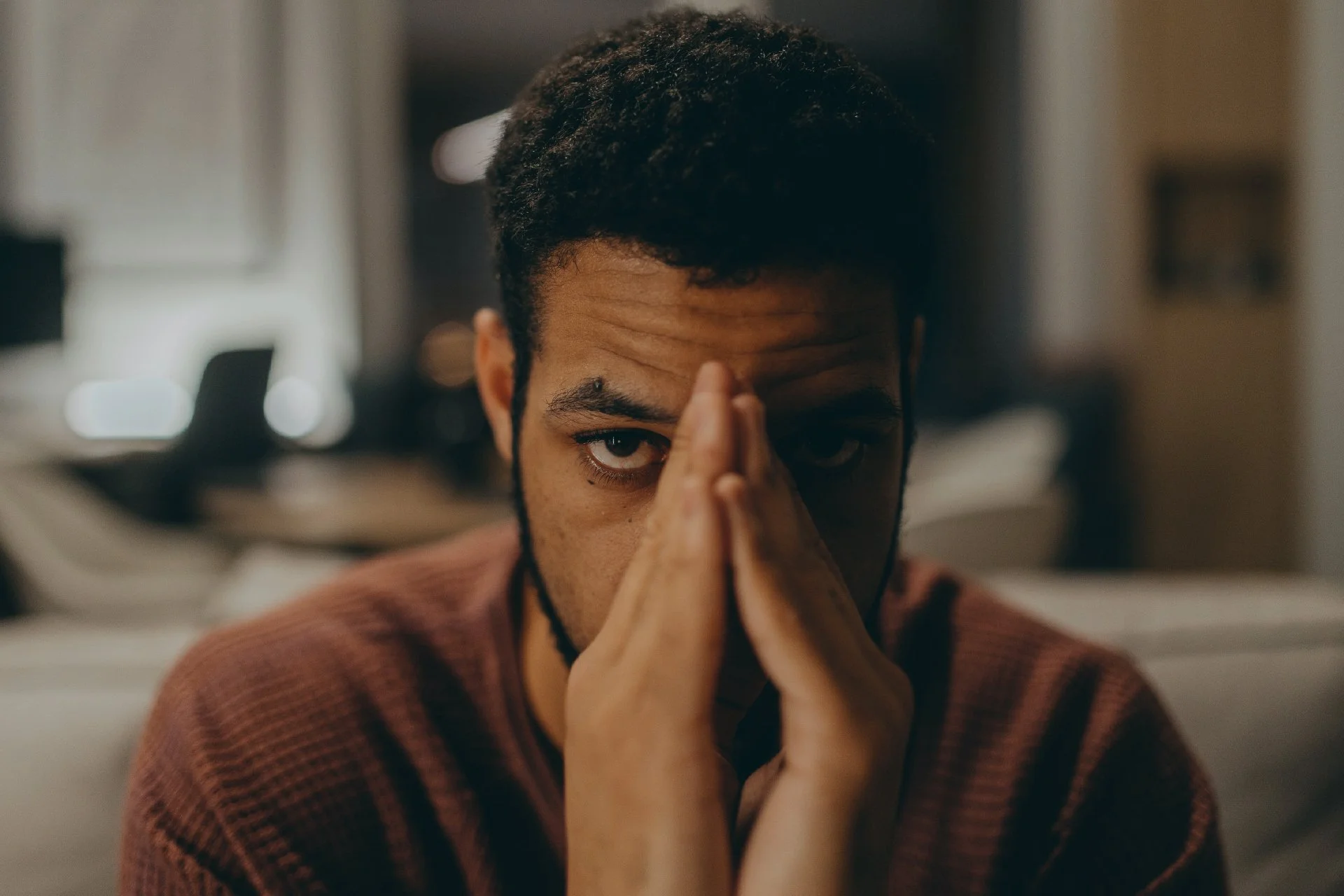
Can You Still Love Someone Whose Addiction Caused Harm?
Yes. Loving someone who struggled with addiction does not erase the pain their addiction may have caused. Many grieving people hold both truths at once acknowledging relational harm while still feeling love, connection, compassion, and grief after the person dies.
Humans are more than the hardest chapters of their lives.
Continuing bonds in grief are healthy and deeply human.
Why Some People Become Uncomfortable When Grief Humanizes the Person Who Died
When someone dies after struggling with substance dependency, grief can become painfully complicated, not only because of the loss itself, but because of how others respond to it.
You may find yourself grieving deeply while also carrying memories of chaos, heartbreak, dishonesty, emotional pain, or relational strain connected to your loved one’s addiction. At the same time, you may still feel profound love, tenderness, compassion, and connection toward them.
For many grieving people, this creates an invisible tension:
Am I allowed to still love them fully?
Why do people seem uncomfortable when I speak lovingly about them?
Why does it feel like I need to defend my grief?
One of the most painful realities of substance-related loss is that grief is often filtered through a moral lens.
When people hear stories about addiction, they sometimes reduce a person’s entire life to the harm their addiction caused. Then, when someone grieving speaks about love, beauty, humour, connection, growth, meaningful memories, or continuing bonds, others may respond with discomfort, confusion, criticism, or emotional distance.
It can feel as though remembering the humanity of your dead loved one somehow invalidates the pain addiction created.
But both realities can exist together.
Addiction can deeply wound relationships. It can create fear, instability, resentment, grief, financial devastation, emotional exhaustion, and trauma. Acknowledging this truth matters.
Yet it is also true that many people struggling with substance dependency were deeply loved, deeply loving, and profoundly human.
Love after death does not erase the pain addiction caused.
Grief does not require you to flatten someone into only the most painful parts of their story.
You are allowed to remember their humour, tenderness, intelligence, creativity, vulnerability, dreams, or the moments where their authentic self was still visible beneath the addiction. You are also allowed to remember the heartbreak honestly.
Healthy grief often moves toward wholeness rather than reduction.
Continuing Bonds in Grief Are Healthy and Deeply Human
Many grieving people continue talking to their loved one internally, sensing their presence, revisiting memories, carrying forward traditions, or nurturing an ongoing inner relationship with them after death.
This does not mean someone is “stuck” in grief.
Continuing bonds are often a deeply human way of integrating love, loss, memory, meaning, and connection after someone dies. Especially after substance-related loss, these bonds can become an important part of healing.
Yet people outside the grief may struggle with this complexity, particularly if their primary experience of your loved one involved addiction, conflict, chaos, manipulation, or harm.
Sometimes others become uncomfortable because humanizing the person who died challenges black-and-white thinking. It asks people to hold multiple truths at once:
that addiction caused suffering,
and that love still existed,
that harm occurred,
and that connection was real,
that grief can coexist with boundaries, anger, relief, confusion, compassion, and longing.
Not everyone has the emotional capacity to hold that complexity with care.
Boundaries May Be Necessary Around Who Has Access to Your Grief
This is where Boundaried Grief becomes important.
You may notice that certain people leave you feeling emotionally exposed, ashamed, defensive, or responsible for comforting them after you share your loss. Others may subtly imply that your loved one does not deserve compassion because of the addiction.
Over time, many grieving people become more discerning about where their grief is expressed and who is emotionally safe enough to receive it.
Sacred grief needs safe places to land.
Protecting your grief is not denial. It is discernment.
Your grief does not need to be publicly justified in order to be real. You are allowed to remember your loved one fully, not only through the lens of addiction, but through the lens of humanity, relationship, love, struggle, and meaning.
You are allowed to carry both truth and compassion.
And you are allowed to protect your grief from people who cannot hold it with care.
Explore more here: Boundaried Grief: Living with Loss Without Losing Yourself
Healing Does Not Require You to Stop Loving Them
If you are navigating the complicated pain of substance-related loss, you do not have to carry it alone.
Healing does not mean forgetting the complexity of the relationship, minimizing the harm addiction caused, or forcing yourself into emotional black-and-white thinking. It means learning how to hold your grief, your love, your boundaries, and your own wellbeing with gentleness, honesty, and self-compassion.
Sometimes healing also means releasing the belief that you must justify why you still love someone who struggled.
Humans are complicated. Relationships are complicated. Grief is complicated.
And love does not suddenly disappear simply because addiction existed.
