
What If I’m the One Struggling With Addiction?
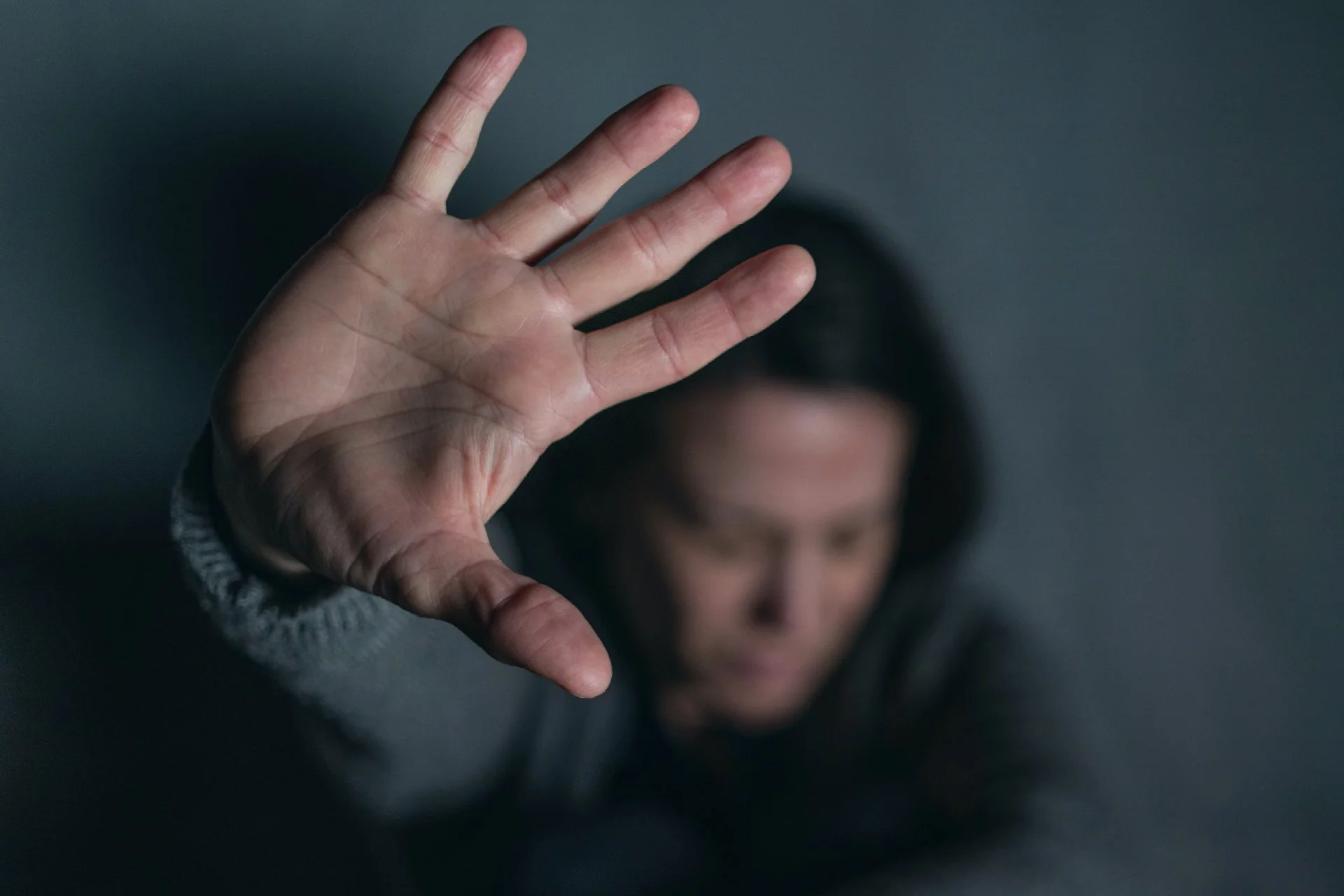
Is Addiction More Than Just “Making Bad Choices”?
Yes. Addiction is often far more layered and emotionally complex than simply “making bad choices.”
For many people, substance use or behavioural addictions develop as ways of coping with overwhelming emotional pain, trauma, shame, loneliness, grief, nervous system overwhelm, inner emptiness, or a painful disconnection from self.
Over time, what may have started as relief, escape, soothing, numbing, survival, or self-protection can slowly become something that feels difficult to control, even when parts of you desperately want things to change.
Addiction is rarely only about the substance or behaviour itself.
Often, there are deeper emotional wounds, unmet needs, protective survival strategies, and internal conflicts underneath the pattern.
Understanding Addiction Through a Parts Work Perspective
One of the reasons addiction can feel so confusing is because different parts of you may want very different things at the same time.
A part of you may desperately want relief, escape, numbness, comfort, control, or emotional shutdown.
Another part may feel ashamed, terrified, exhausted, hopeless, or angry about the impact addiction is having on your life and relationships.
Another part may long deeply for connection, healing, peace, authenticity, or a different way of living.
From a Parts Work perspective, addiction is often understood not as proof that you are “bad,” weak, manipulative, or broken, but as a protective strategy developed by certain parts of the self to help you survive emotional pain, overwhelm, or internal distress.
These protective parts often formed for very good reasons.
Sometimes substances or addictive behaviours become a way to:
numb emotional pain,
escape intrusive thoughts,
manage anxiety,
quiet shame,
soften loneliness,
regulate overwhelming feelings,
cope with trauma,
or temporarily create relief from an internal world that feels unsafe or unbearable.
The problem is that over time, the protective strategy itself can begin creating additional suffering.
Many people living with addiction end up carrying enormous shame about behaviours that originally developed as attempts to survive.
Addiction and the Need for Connection
The opposite of addiction is connection.
Not forced positivity.
Not perfection.
Not punishment.
Connection.
Many people struggling with addiction feel profoundly disconnected:
disconnected from themselves,
disconnected from their bodies,
disconnected from safety,
disconnected from healthy relationships,
disconnected from meaning,
or disconnected from the parts of themselves they no longer know how to access.
Counselling can provide a compassionate space to begin rebuilding that connection slowly and safely.
Not through judgment or pressure.
But through curiosity, honesty, emotional safety, and understanding.
Healing often begins when you no longer have to fight yourself quite so harshly.
Bilateral Stimulation and Nervous System Healing
For many people, addiction is not only emotional — it is deeply connected to the nervous system.
Trauma, chronic stress, emotional invalidation, grief, relational harm, and overwhelming life experiences can leave the nervous system stuck in survival states for long periods of time.
When the nervous system feels chronically dysregulated, substances or addictive behaviours can temporarily create relief, escape, grounding, stimulation, numbness, or emotional distance from distress.
Bilateral stimulation, which is often used within trauma-focused approaches, can support the nervous system in processing emotional material in a safer and more regulated way.
This may help reduce emotional overwhelm while increasing:
internal awareness,
emotional regulation,
nervous system stabilization,
self-compassion,
and access to deeper healing work.
Rather than only focusing on stopping behaviours, this approach supports understanding what the addiction may have been trying to protect you from in the first place.
Healing Is Not About Shaming Yourself Into Change
Many people struggling with addiction already carry enormous amounts of shame, self-criticism, fear, and hopelessness.
Shame rarely creates lasting healing.
In fact, shame often strengthens the very internal pain that addiction is trying to soothe.
Healing involves developing a different relationship with yourself.
This does not mean avoiding accountability or pretending addiction has not impacted others. But it does mean learning how to approach yourself with greater honesty, compassion, discernment, and emotional understanding rather than only punishment and self-hatred.
Recovery is not simply about removing a substance or behaviour.
It is also about rebuilding trust with yourself.
Learning how to tolerate emotions safely.
Understanding your internal world more clearly.
Developing healthier ways to regulate distress.
Strengthening connection.
And discovering that healing is possible without abandoning yourself in the process.
Healing Happens in Connection
Counselling can become one important part of recovery, but healing rarely happens in complete isolation.
Many people struggling with addiction carry deep shame, emotional pain, disconnection, loneliness, grief, or nervous system overwhelm beneath the substance use itself. Over time, addiction can create further isolation, not only from other people, but from parts of yourself.
While individual counselling can provide a safe space to explore the underlying emotional pain, protective patterns, trauma responses, and internal conflicts connected to addiction, recovery is often strengthened through supportive connection with others as well.
Where possible and emotionally safe, rebuilding healthier connections with trusted family members, safe relationships, peer support, or recovery-based group work can become an important part of healing. Many people discover that being witnessed by others who understand addiction reduces shame and helps soften the sense of isolation they have been carrying for years.
Recovery is not only about stopping a behaviour. It is also about learning how to reconnect:
with yourself,
with your body,
with emotional safety,
with healthy support,
and with a sense of meaning, belonging, and humanity again.
Healing often becomes more sustainable when people no longer feel they have to survive everything alone.
